Pret a Diner, The Bohemians, Cafe Royal

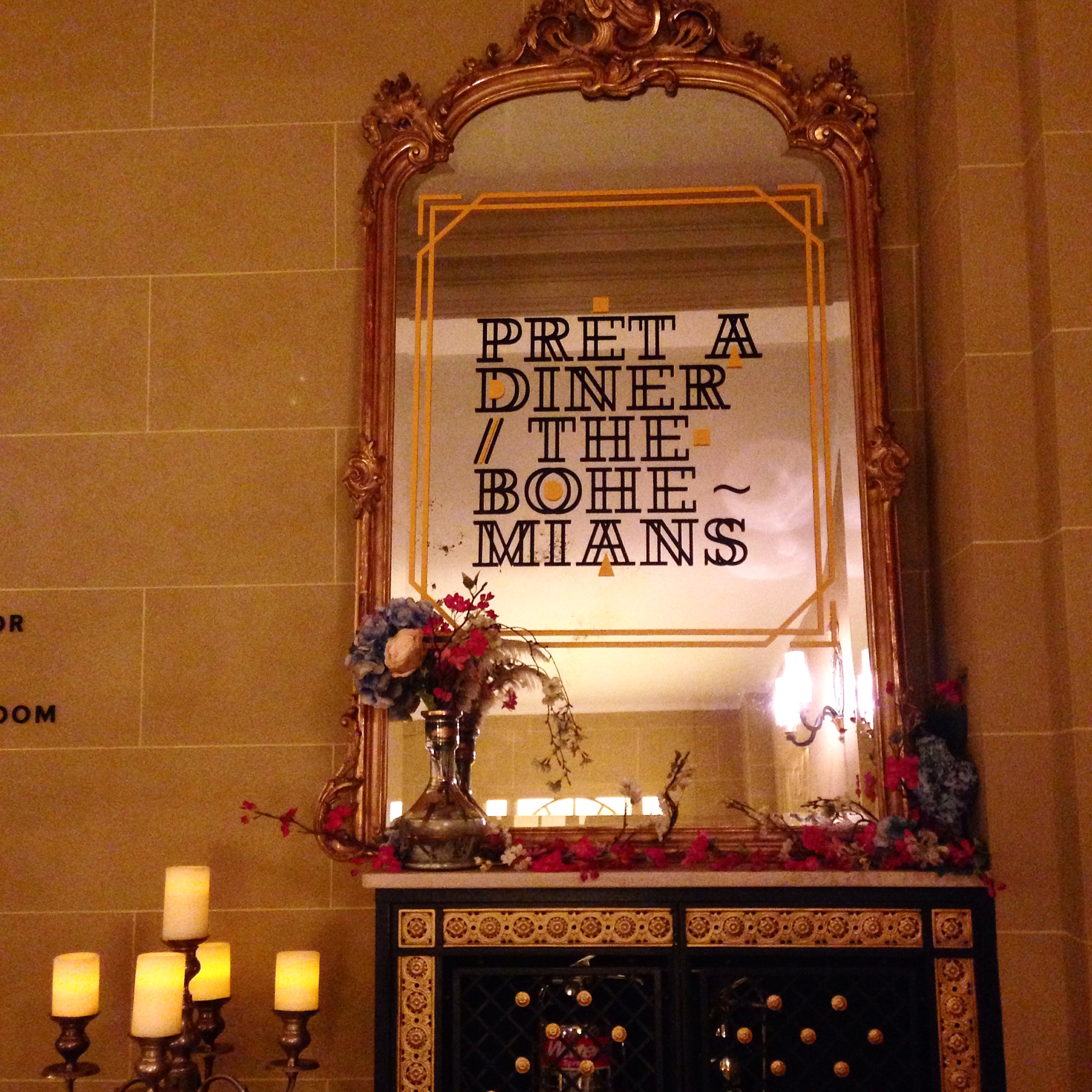
You never know quite what to expect at a Pret a Diner event. The concept was founded by KP Kofler who hoped to create an extravagant sensory experience combining Michelin star food, cocktails, art and music. Recently the creative company returned to London for a stint at Cafe Royal’s exclusive private members club. This season they present ‘The Bohemians’, an evening which shakes up the tradition of this historic hotel and assaults you with inventive food and expressive artwork.
 
The Cafe Royal’s executive chef Andrew Turner is joined by two New York based chefs: Patti Jackson (Michelin star restaurant, Delaware and Hudson in Brooklyn) and West Village resident Ryan Tate (Blenheim, Le Restaurant). The three have teamed up to create an indulgent four-course menu which is paired with an optional wine flight. Drinks for the evening are curated by Tiziano Tasso (Club Bars Manager at Café Royal) and Dominic Jacobs (Jacobs Chase and The Whip).
 
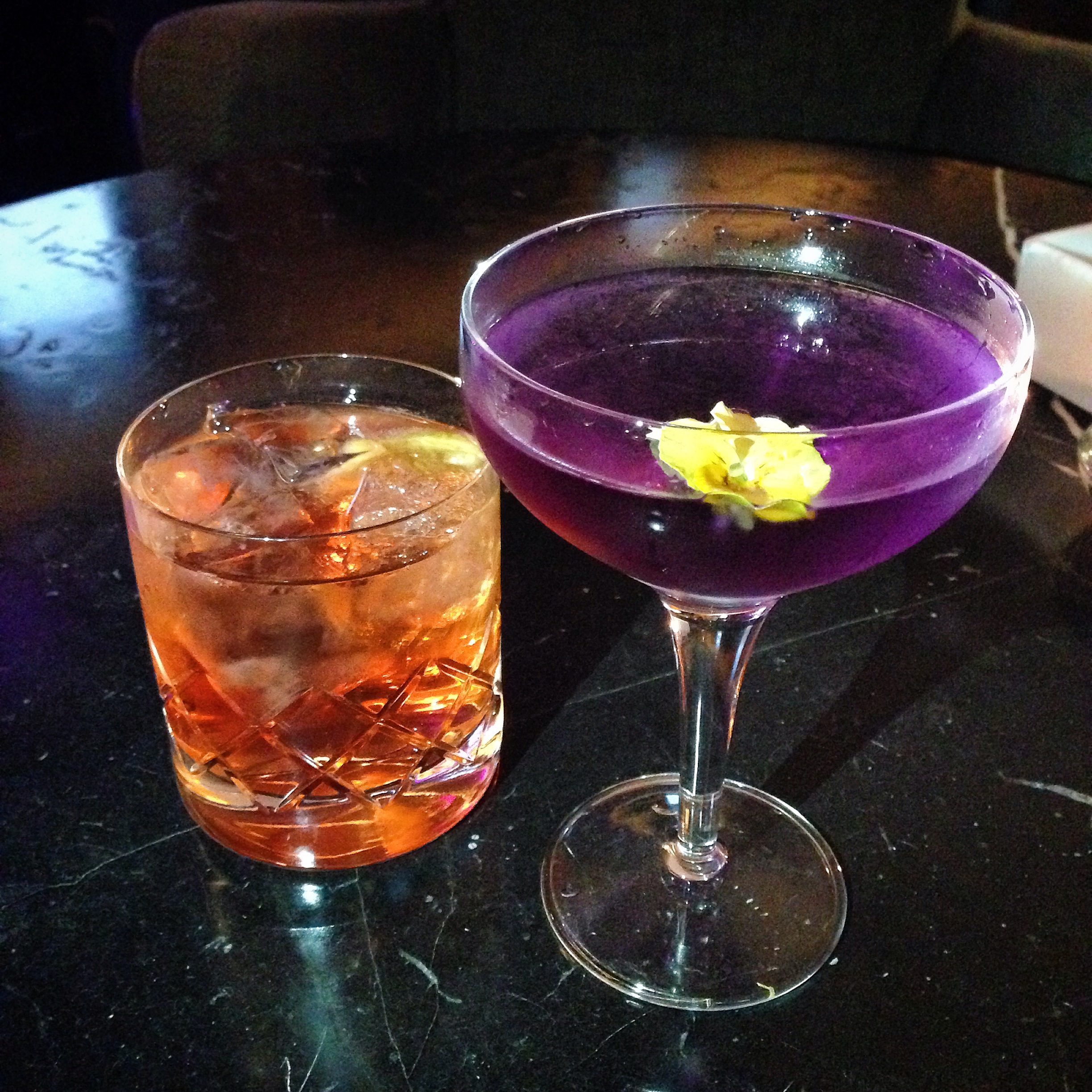
Walking into the glamorous but discreet Cafe Royal Hotel, everything seemed to be running as normal with no indicators that a bohemian bonanza may be underway somewhere in the building. First we were taken through to the bar area to trial the bespoke bohemian cocktails, which were strong and delicious. Colourful paintings by Ryan Hewett and Jake Wood-Evans clash with the ordered and sensible surroundings.
 
At 7pm we were taken through to the dining room, a smart interior which has clearly been given a Pret a Diner makeover. The room was ablaze with a pink lighting that suddenly made it feel much later in the evening than it actually was. Despite the wacky decor and grungy beats from the DJ on the decks it was a civilised scenario, hip waiters in t-shirts and tattoos attending to the tables with the utmost decorum.
 
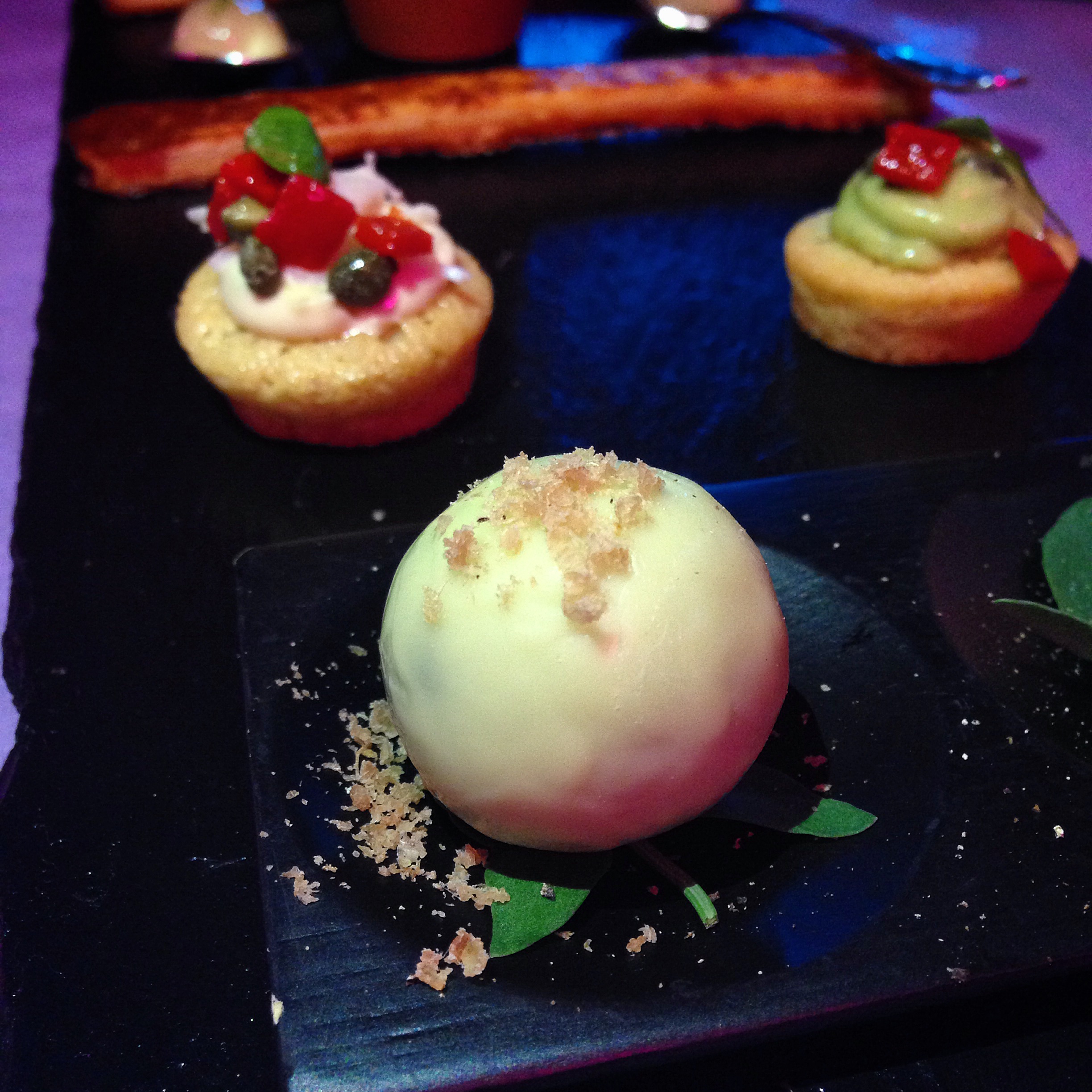
The food was refined yet quirky, some of the dishes excellent, others less inspiring. The plate of mini bites arrived slightly haphazardly presented but intensely flavoured with strong luxurious ingredients. We particularly enjoyed the cheese and truffle mousse and the NYC inspired Dutchy Pretzel bread.
 
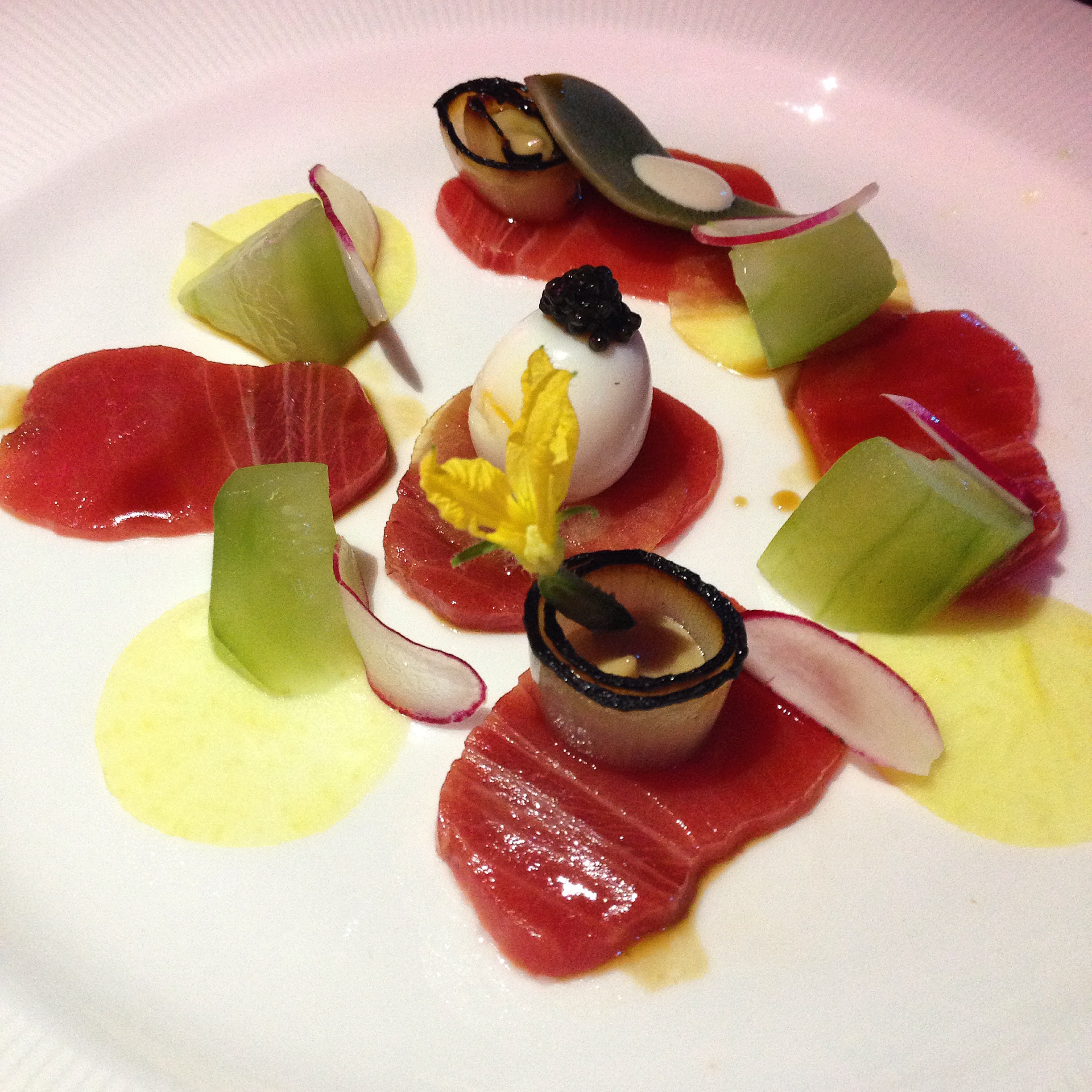
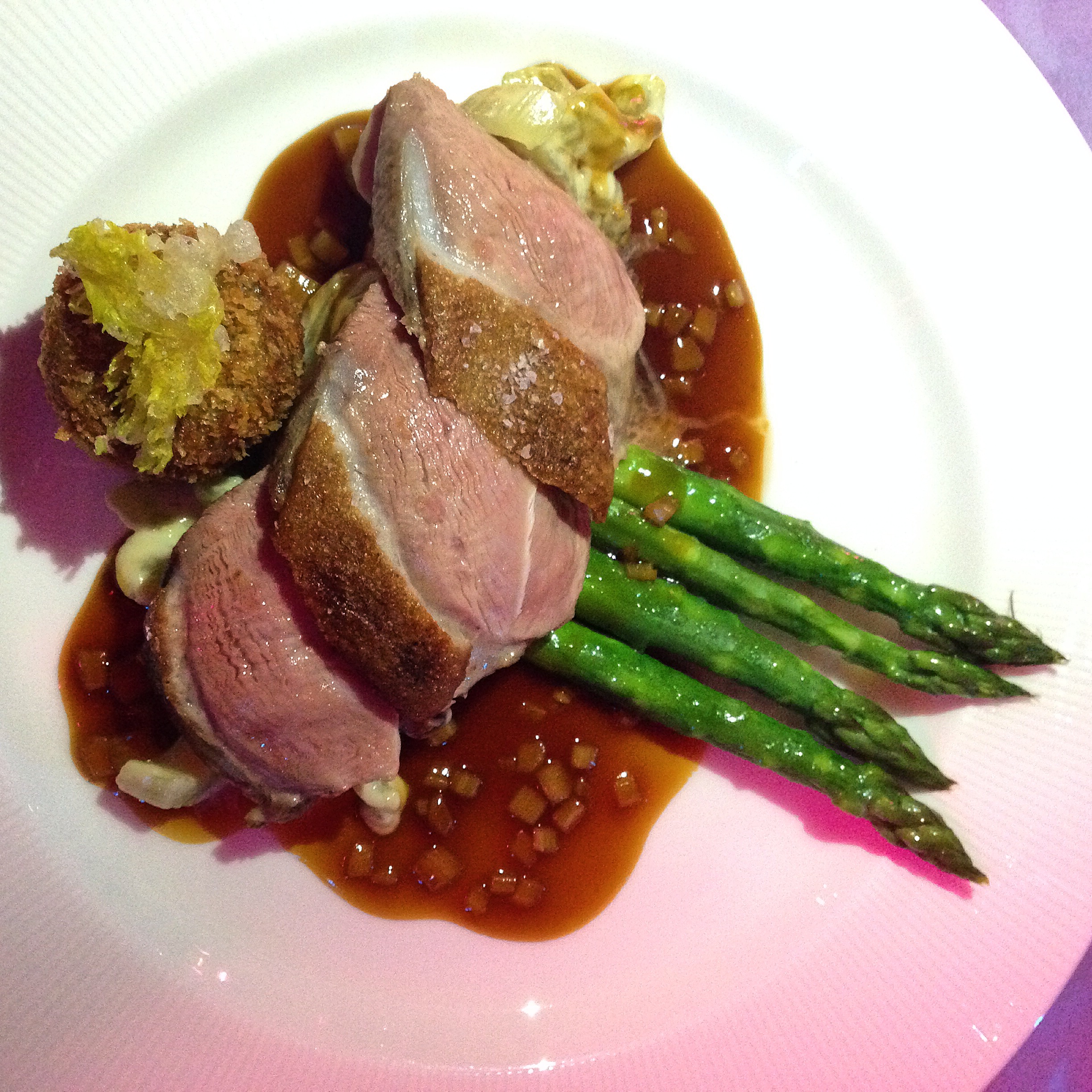
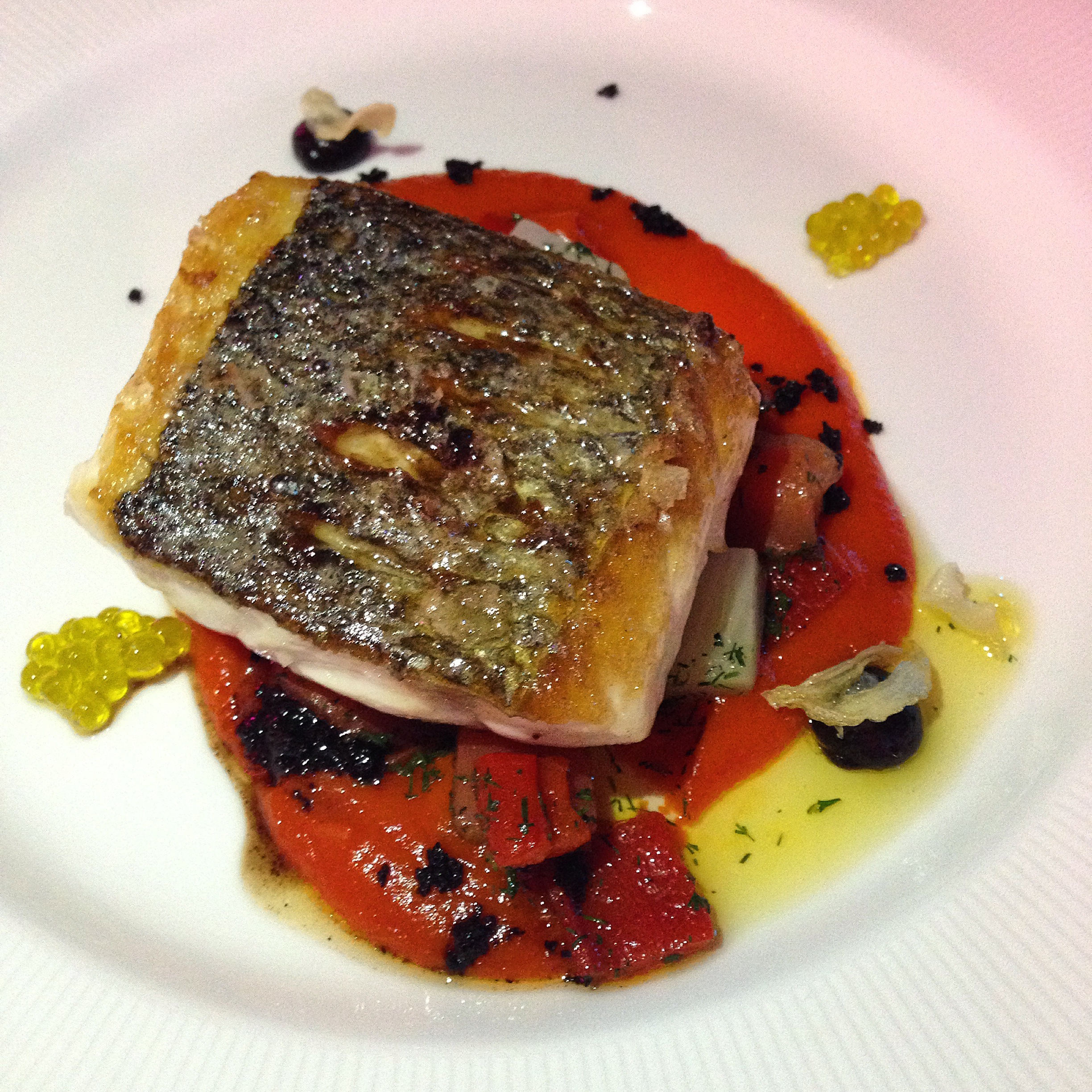
The Tuna Carpaccio with pickled vegetables was created by Andrew Turner – the tuna was smooth and silky with a zingy sauce and a little boiled quail’s egg for a touch of richness. For main course there was a choice between Duck or Seabass. The duck was a little undercooked for me but deeply flavoured, served on a bed of seasonal asparagus. The highlight of this dish was the crispy croquette which was cooked to perfection and filled with slow cooked tender meat. The seabass was light and fragrant on a pretty bed of red pepper sauce and delicate fennel and dill.
 
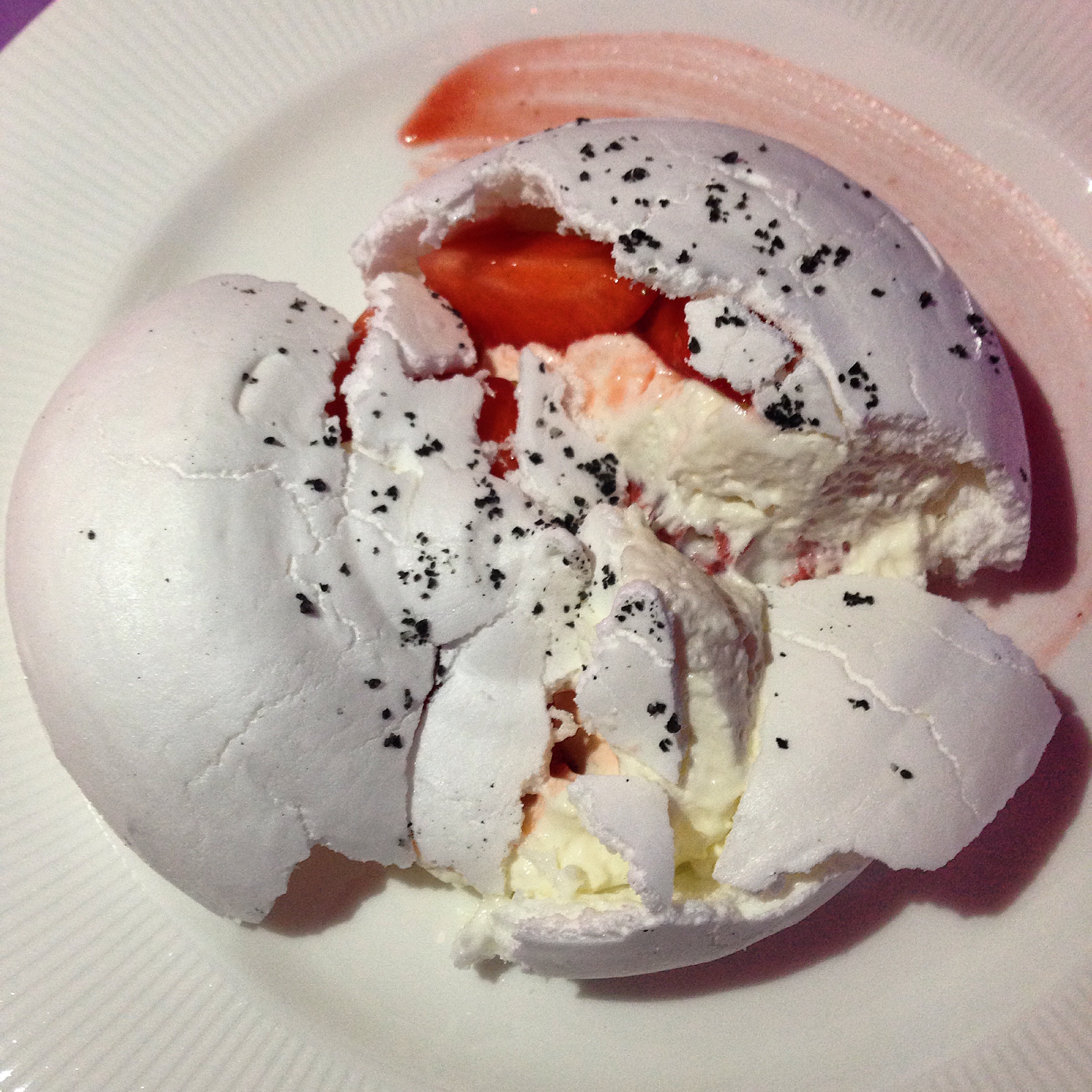
Dessert was a child’s paradise… a giant meringue holding strawberries, maple vacherin and buttermilk. Paired with a lovely glass of French dessert wine which made it a more grown-up affair.
 
We visited Pret a Diner early in the evening, and it whizzed by in flash as we enjoyed the decadent offerings that were continuously brought to our table. I imagine later on, with the room filled to capacity it might be a less sober and more thrillingly raucous evening. Walking out into the daylight, it felt like we’d stepped out of a bohemian bubble and back into the real world. 

Continues until 23 May, more information and book here.

London’s new cocktail bars

Cocktail bars seem to be popping up on every street corner. Once upon a time cocktails were sticky sweet, unnaturally coloured and headache inducing. Nowadays though, mixologists and top bartenders are considered to be the talented chefs of the drinks world, creating complex concoctions using scientific methods with a range of flavours and intricate garnishes. I love a classic old-fashioned but also enjoy trying the innovative new cocktails available so readily in London. Here are a few of the newest cocktail bars to check out, located in the centre, south and east of town.

Cahoots – this secret cocktail bar is great fun with good drinks too. You will be transported to the year of 1946 and taken down beneath the streets to a disused tube station, Kingly Court. The retro décor is brilliant, so convincing that it is difficult to know which bits are original and which bits have been created for the theme. The waitresses are in character with vintage dresses and cute accents which makes the experience even more immersive. The menu comprises mostly rum and gin drinks, though I highly recommend the whiskey based ‘Maker Street’.

Shrub and Shutter – Brixton has a few places worth trying for cocktails but Shrub and Shutter is easily leading in style and innovation. It is the first project from Salt of the Earth consultancy, an experimental and brave venture. The cocktail list is extensive with a range of unusual flavour combinations. Often the cocktails are presented with an edible snack, carefully chosen to match and accentuate the flavours of the drink. We tried the smooth and unexpected citrus gin based ‘The Owl and the Pussycat’ and the intriguing ‘The Deerhunter’ which combines tincup bourbon with orange, smoking pipe bitters, capovilla tabacco amarone, birch sap and venison. S & S also serve small plates if you are feeling a bit peckish.

Joyeux Bordel – the name of this new Shoreditch cocktail den translates to ‘happy mess’. It is the newest venture from the Experimental Cocktail Club connoisseurs. The venue has a lived-in feel and serves French inspired cocktails and shared punches. I haven’t tried it yet, but can’t wait to go along with a few girlfriends to try the menu.

THOROUGHLY MODERN MAN: Richard Diebenkorn, Royal Academy of Arts

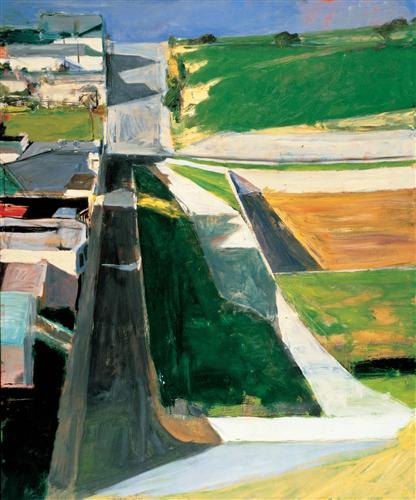
Cityscape #1, 1963

Richard Clifford Diebenkorn Jr. is an unprepossessing name for an artist whose paintings exude Californian cool. The Royal Academy’s Sackler Wing is not sunny and is best suited to displaying prints and drawings – it provides a rather gloomy environment for Diebenkorn’s clear, bright landscapes and lyrical abstracts.

The first of three rooms contains his little known Abstract Expressionist works from the 50s – exciting dynamic paintings that show the obvious influence of De Kooning. Diebenkorn’s pictures are rarely completely resolved but appear to have just stopped at an interesting point; he replaces the violence of De Kooning with floppy rhythms and wonky patches of subtle colour.

His figurative works like Girl on a Terrace from 1956 involve distracted silhouetted bystanders with the components of Edward Hopper’s ‘portraits’ but with less psychological tension. Diebenkorn’s signature Ocean Park series is heralded memorably by 1963’s masterpiece, Cityscape #1 with its satisfying balance of surface and depth, painterliness and description, energy and composure. The 1970s works in the series are airier and less argumentative, moving further from the motif and towards an easier geometric language, swopping the intense pentimenti of the earlier pictures for broad areas of confidently applied pastel colour.

Diebenkorn’s paintings take elements of Matisse and Bonnard and expand them into broad American vistas. He is a painter’s painter and the gallery was full of earnest enthusiasts leaning in to examine the surfaces from two inches away.

Diebenkorn’s euphoric art is rarely seen in this country and, while being very welcome, would benefit from a more expansive and celebratory exhibition.

Continues until 7 June 2015, more information and book here.

Written by a Thoroughly Modern Man, Chris Kenny.