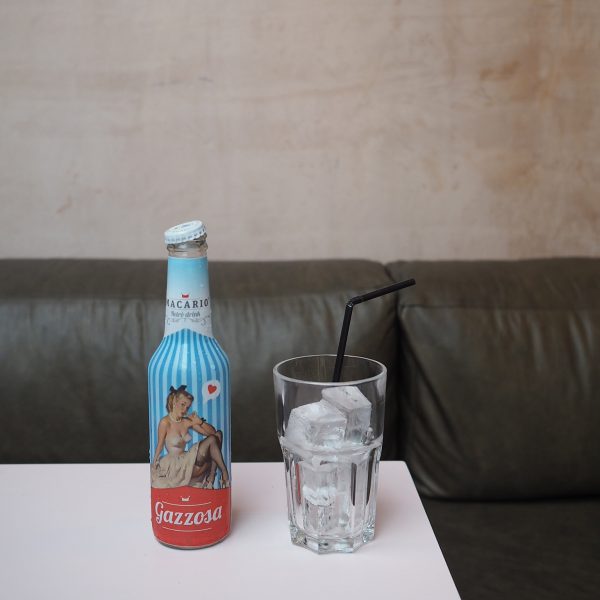
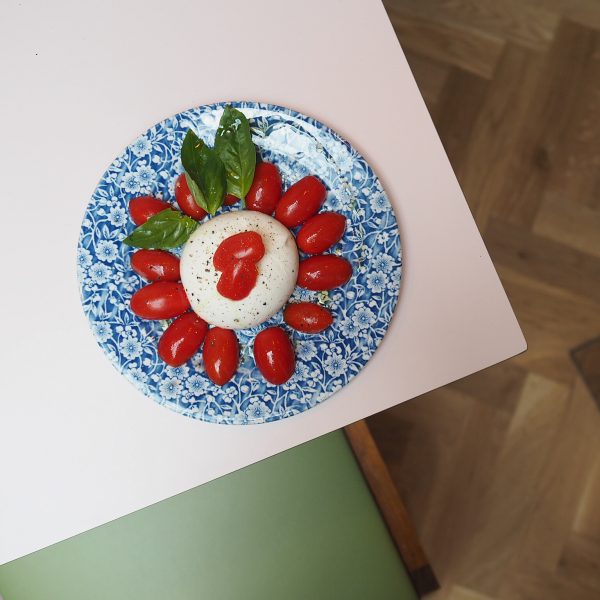
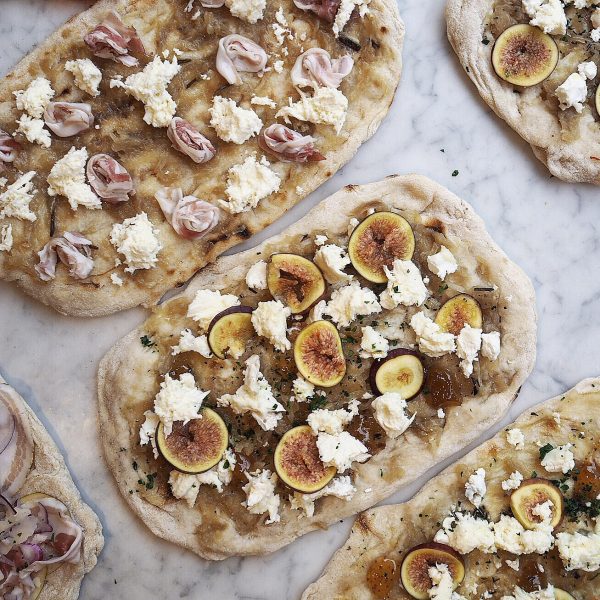
I consider myself relatively well travelled, but nowhere I have encountered yet, including India, Japan, Russia and Fiji, has been as challenging to travel in as Cuba. I began writing this post on the curb of a Cuban motorway, after our overfilled minibus broke down between towns. The classic cars and coloured streets you see on postcards and brochures are the norm, a trip to Cuba is truly a trip back in time. You have to be a patient traveller as this island, with its own unique set of rules, can be extremely frustrating, but if you can relax into the unconventional lifestyle, Cuba is completely intoxicating and unforgettable.
There is so much to learn and understand about Cuba’s approach to life. Though friends can give valuable pointers to guide you in the right direction, much of it is only understood first hand.

Currency
Cuba is the only country in the world to have two currencies: CUC (Cuban convertible pesos for tourists) and CUP (Cuban pesos for locals). The local money is worth 25 times less than convertible pesos, but is impossible to get hold of. CUC is equivalent to US dollars, so £10 GBP is worth about 12 CUC. It’s best to take cash to change into pesos at the airport, though there are a few cash points for card use in Havana now.
Getting around
Transport is vintage and unreliable. Buses are good for getting between destinations but are slow and often full, even if you have booked in advance. They cost around 12 CUC pp for a 3 hour journey. Local internal planes are not recommended. We mostly travelled by shared taxi, in crowded old cars, crammed full of tourists and baggage.
There are classic cars and more modern cars used for taxis, both should cost the same: 25 CUC from the airport to Havana, no more than 10 CUC for journeys within the city. Collectivo taxis are best for cheaper journeys between or within cities. The price depends on four factors: age of car, number of passengers, distance and demand. Within Havana it is normally 1 CUC pp, Havana to Viñales should cost between 15-25 CUC pp, Viñales to Trinidad 35-45 CUC pp and Trinidad to Havana 30 CUC pp.
Accommodation
It’s difficult to stay cheaply in conventional accommodation in Cuba, with expensive Colonial hotels and few hostel options. Instead most recommend booking ‘Casa particulares’ (a room in a private home). These tend to be cheaper and much more authentic. On the whole the rooms are clean with en-suite bathrooms and air conditioning. The hosts usually charge between 20 and 35 CUC per double room a night, and you can add on breakfast (5 CUC) or dinner (10 CUC) too. Those that speak English can often help with travel and food suggestions and reservations, which is invaluable if you can’t get any wifi!
Food and Drink
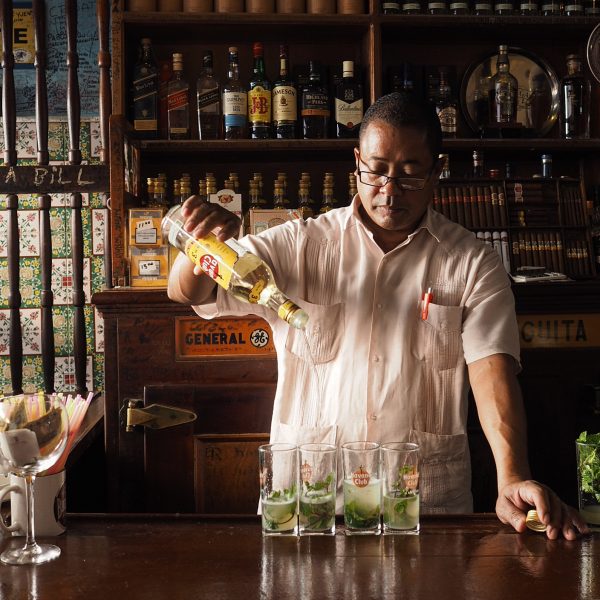
The Cuban cuisine is basic and generally quite plain, despite the abundance of home-grown produce. Local dishes usually comprise of slow cooked meat (pork is the national meat), rice and beans, yuka, plantain and other vegetables. Eating out in restaurants is more expensive than you might assume and the best options sometimes require booking weeks in advance. State owned restaurants are generally best avoided, instead head to paladars (privately owned restaurants often in people’s houses). Hygiene is good and food poisoning is rare, though I’d recommend always drinking bottled water.
Rum is everywhere, normally a variety of Havana Club. The famed Bacardi family fell out of favour with Castro and so is now banned throughout the country. Mojitos, daiquiris, Cuba libres and pina coladas are served all over the country, and tend to cost about 3 CUC each.
Internet
Until a couple of years ago, internet did not exist in Cuba, and it is still a real hassle and cost to obtain. It is now available in some big hotels (generally about 6 CUC for 30 minutes) or from the ETECSA store in Havana. At ETECSA you can buy a 5 hour access card for 10 CUC which is valid for 30 days and can be used on different devices, but only in designated wifi areas.
You will spot these instantly from the crowds staring at their phones in public squares and hotel entrances. There are not difficult to find in Havana but in smaller towns it may be more of a challenge.


Havana
After a day of no sleep and 3 hours queuing and waiting at baggage reclaim, we began to fear the worst… it was our first taste of Cuban disorganisation. Eventually our suitcases arrived and we headed to find a taxi. If you can get a room, Miriam y Sinai is a wonderful casa to stay in with exemplary beautiful bedrooms and thoughtful, helpful hosts.
In Havana there are plenty of paladar restaurants to choice from. La Guarida and San Cristobal are the most well-known, thanks to their prestigious clientele, and beautiful settings. We enjoyed the food just as much at the stylish El Cocinero (tapas food in an amazing old peanut oil factory) and Cafe Laurent, found in an apartment flat. However our favourites were El Atelier (with the most beautiful dining room) and Doña Eutimia for local cooking at its best (try the Ropa Vieja made with lamb). For ice-cream the iconic Coppelia emporium is a must, try to sneak into the locals-only area where you can experience the spectacular building while enjoying tropical flavours of ice-cream.
Cuban coffee is strong and delicious, and though you can guarantee a good breakfast spot, a satisfactory caffeine kick is not hard to find. I loved Cafe O’Reilly both for the rich espresso and the enchanting interiors. You should also try El Escorial in Plaza Vieja for a nice afternoon cortado and great people watching. Head to La Floridita for the best daiquiris and La Bodeguita del medio for an original mojito. Music is the heartbeat of Cuba and is infectious, head to Casa de la Musica to watch bands play or just wander through the streets and stop to try some salsa dancing.
Museums are run down and expensive to visit, but for an education on Cuban history they can be interesting. Museo de la Revolución is a little confused but illustrates Castro’s influence and importance in the country. Look out for the impressive hall of mirrors. Museo Nacional de Bellas Artes is a good contemporary art museum displaying the work of celebrated Cuban artists.
Wandering round the old town (Habana Vieja) is a museum in itself, and I loved exploring and soaking up the colourful street life. There are many lovely old buildings and beautiful squares: we liked the book fair at Plaza de Armas and peeking inside some of the amazing old hotels, like Hotel Florida and Hotel Sevilla. For last minute help and bookings the hotel concierges are extremely useful, when in need we wandered in and received invaluable assistance from the kind, English speaking staff.


Viñales
Viñales is a sleepy mountain town two hours drive from Havana, and is a popular getaway from the chaotic capital city. Los Jazmines is the most popular hotel or there are plenty of colourful homes to stay in. We were comfortable at Hostal Haydee but did get woken up frequently by the loud resident cockerels.
The verdant landscape is home to Cuba’s top tobacco plantations, underground caverns and serene lakes. Excursions and activities can be booked at the local tourist office. Take a tiring tour of the valleys on horseback or opt for a walking tour with an informative guide, learning the process of making a cigar, visiting a coffee farm and drinking cocktails in a rum shack.
There are two beaches an hours drive from Viñales; Cayo Jutias and Cayo Levisa. Both offer an idyllic setting for a day of sunbathing with soft white sand and warm turquoise waters. Though some say Levisa is prettier, Jutias is much less touristy and so was our beach of choice. There are a few places to get a simple lunch and fresh, hydrating coconut water.
The restaurants in Viñales are limited and repetitive. On the main street (Salvador Cisnero) we tried El Olivo for classic Italian dishes and La Cuenca for slow service but tasty meat dishes. I can also recommend Finca Agroecologica El Paraiso, 2km outside of town for panoramic views and a feast of local cuisine made from the produce from the organic farm that surrounds the restaurant.

Trindad
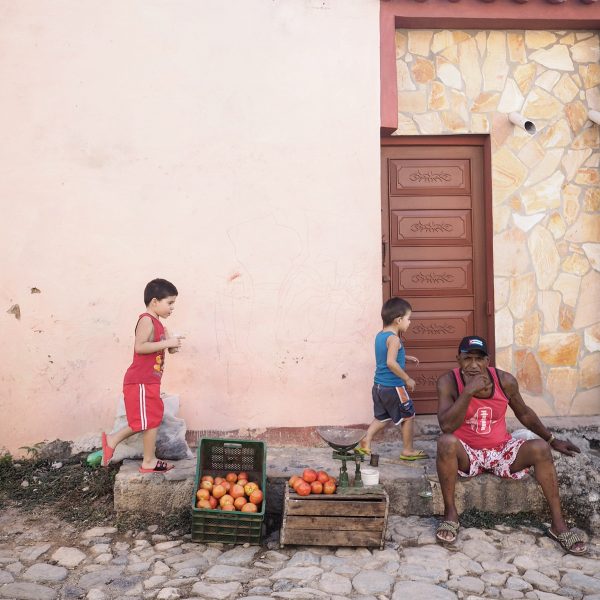
It’s a long journey from Viñales to the Southern coastal town of Trinidad. Candy-coloured colonial buildings and cobbled streets have made this UNESCO world heritage site extremely popular with tourists, and tour buses drop off loads of visitors every day.
There are some beautiful homes to stay in. We were lucky to find a room at Casa Sueca. This amazing, high-ceilinged casa is run by a smiley mother and daughter who cook well and speak some English. If you fancy going out to eat, head to La Redaccion (which translates to The Editorial team). The building was once used as the office for the local newspaper, El Liberal, and there are still plenty of design quirks hinting to this history. Bar Giroud offers good (and cheap) homemade pizzas and cocktails. The Casa musica in Trinidad is wonderful for drinking and dancing after dark, Disco Ayala offers a unique cave clubbing experience.
There are several options for day trips… buy a 10 CUC return ticket for the local steam train to Manaca Iznaga. This tiny town was home to one of the most famous sugar planters in Cuba and most tourists head straight to the 45m tower for panoramic views of the entire valley.
If you have more than 1o days in Cuba it is also worth visiting Cienfuegos, Barbacoa and Santiago de Cuba and all the lovely towns in between.