
Portugal seems to be a popular destination for British holidaymakers this year. Though the Algarve promises year round sunshine and Porto has an ‘underdog’ excitement about it, no-one can deny the historic charm of Lisbon. When I first stayed in Lisbon, on a whim a few years ago, I was surprised and delighted by the easy-going atmosphere, lovely people and abundance of unassuming food and art gems to discover. For this trip I revisited many of my favourite places and uncovered a few more local Portuguese institutions.

To eat
Belcanto – you will be dreaming of José Avillez’s imaginative creations long after you’ve left his restaurant. This meticulous two Michelin star restaurant serves up gastronomic delights that taste just as good as they look. My favourite dish was the Tangerine dessert, a mix of subtle contrasting flavours and textures.
Taberna da rua das flores – for authentic Portuguese fare in a humble and charming environment, head to this tiny 25-seat restaurant in Chiado. The venue used to be a barbershop and now serves reasonably priced, delicious plates of food from a daily-changing menu.
Eleven – this fine-dining restaurant has a smart and airy feel, and is a popular choice with businessmen working nearby. The menu offers elaborate and beautiful dishes with a focus on seafood. Enjoy a special lunch while admiring the scenic views of the surrounding park.
Manteigaria – recognised as one of Lisbon’s top custard tart makers, Manteigaria is found in an old butter shop behind an Art Deco facade in the Chiado district. Every 40 minutes a bell is rung to let locals know that a new batch of tarts has just come out of the oven.
Bistro 100 Maneiras – this contemporary restaurant presents tasty Portuguese food in a relaxed environment. The perfect place to slump for lunch after a morning of walking up Lisbon’s steep hills.
Pastéis de Belém – an institution which undoubtably makes the best Pastéis de Nata in Lisbon. The family’s recipe is top secret and their tarts remain the flakiest and creamiest in town. Sit inside rather than queueing for takeaway and order a strong coffee to accompany your tart.

To drink
Copenhagen coffee lab – the speciality coffee scene in Lisbon is just beginning. The design-centric Copenhagen coffee lab is leading the trend, I visited this modern cafe for a fab flat white.
Memmo Alfama – concealed within the ancient walls of the Alfama district is Lisbon’s most popular design hotel, Memmo Alfama. Head up to the rooftop bar for a cocktail and the best views in town.
A Luz Ideal – A little out of town, this stylish café looks like its straight out of a Wes Anderson film. Sip a coffee in the light-filled room and pick from the traditional Portuguese snacks.
The Independente – This is quite possibly Europe’s coolest hostel. Enjoy the vintage bohemian haven with a glass of Portuguese wine or head up to their new secret rooftop bar and restaurant, The Insólito, for a cocktail with a panoramic view of the city.
A Ginjinha – join the locals as they queue in the streets for a shot of cherry liqueur.

To do
Tuktuk Tejo – tuktuks are a popular trend in Lisbon, a nippy way to navigate the old narrow streets of the city. Organise a trip with Tuktuk Tejo who offer guided tours of different districts. The vehicles are all electric and the guides are friendly and extremely knowledgable. We loved our tour round the Belém area and learnt a huge amount about Lisbon’s history and culture.
Gulbenkian – this meticulously curated museum exhibits a thoughtful collection of ancient and modern art.
LXFactory – once a threads and fabrics factory, LXFactory has found a creative home in this industrial part of town. Wander round the impressive Ler Devagar book shop and stop by Landeau Chocolate for the best chocolate cake you will ever taste.
Museu Nacional de Arte Antiga – I was surprised to find this museum of ancient art very empty. Housed in a former palace, the collection includes paintings, sculptures, textiles, drawings and other decorative art forms from the Middle Ages to the early 19th century.
Hospital de Bonecas – for just 2 euros you can take a peek at Lisbon’s unique doll hospital which houses broken toys from over the ages. Each doll is seen by a doctor before being mended and returned to its loving owner.
Jerónimos Monastery – after sampling the area’s renowned custard tarts, visit this amazing cathedral which is a perfect example of late gothic architecture.
Old tram ride – the old trams are one of the most familiar symbols of Lisbon’s old town. They are not the cheapest way to travel but they are certainly the most romantic. Take route 28 up to see the most beautiful part of town.
To shop
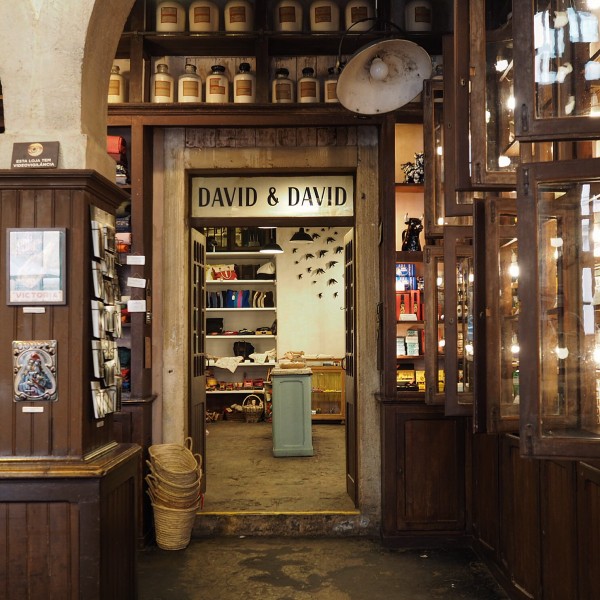
A Vida Portuguesa – this much-loved emporium stocks an impressive range of Portuguese brands and products, from Alantoíne hand cream to Bordallo Pinheiro porcelain. The shop itself is as lovely as the items they sell.
Conserveira de Lisboa – you may not be a fan of tinned fish but it’s difficult not to fall in love with the charming vintage packaging at this store. Hundreds of coloured tins line the shelves; the perfect retro souvenir to remind you of Lisbon.
Luvaria Ulisses – there are a lot of historic places to shop in Lisbon but this little glove shop (which opened in 1925) has to be the most special. Tucked between the superstores of Rua do Carmo, it looks like a fairytale shopfront, with windows filled with coloured leather gloves. There is only room for one customer at a time so you will always have the assistant’s undivided attention.
Embaixada – a concept store of dreams. This amazing building houses a variety of independent local brands and food and drink outlets. Don’t miss the ethereal murals which decorate the grand staircase.
Feira da Ladra – the steep tram ride is worth the scare for the famous flea market at the top. Wander round the sun drenched cobbled streets and rummage for a bargain.
Caza das Vellas Loreto – this gorgeous wood-panelled shop has been making and selling wonderful candles since 1789. Buy some of the beeswax varieties or pick up one of the mock fruit candles.

To escape
Sintra – this magnificent UNESCO world heritage town is just 30 minutes drive from central Lisbon, and is well worth visiting for a cultural day trip. First visit the spectacular Palácio Nacional da Pena palace before heading back down to the village to Piriquita for a travesseiros (traditional almond pastry).

Many thanks to the Lisbon tourist board for providing Lisboa cards for the trip. These cards are a passport to the city offering free public transport and valuable discounts on top tourist sites. More information here.


