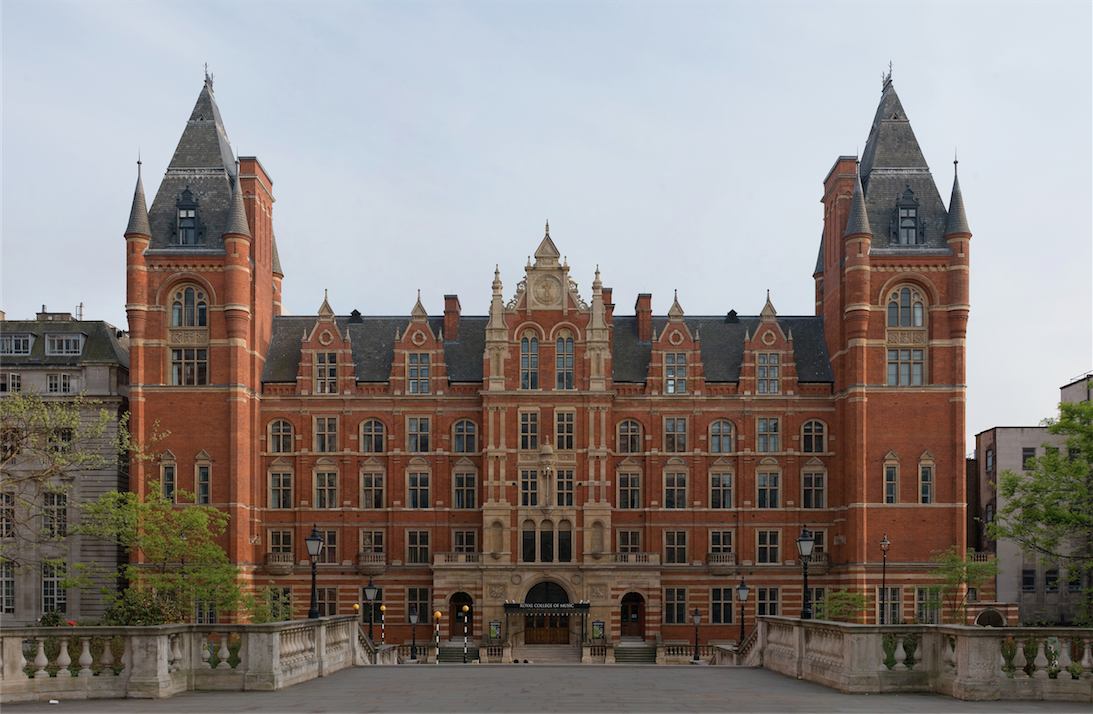
The Royal College of Music has certainly undertaken an ambitious project. Not only were twenty composers charged with the task of writing a new opera, but they were presented with a choice of two tragedies for inspiration: the sinking of the Titanic, and Captain Scott’s ill-fated Antarctic expedition.
The six best works were hand-picked by some of the top compositional minds in the country. Musicians, librettists, and producers worked tirelessly for five months. Fully staged and fully-booked, there was a lot riding on the opening night. And the title binding all six operas? ‘Great Expectations’. As if we needed a hint of Dickensian proportions to heighten our anticipation.
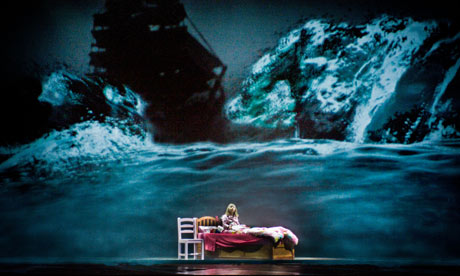
I remember the ship, a Titanic-inspired opera by Jude Obermüller set the tone for the evening. The story was heavy, as expected, but most striking was the raw human emotion portrayed. Never having been faced with a sinking ship, there was a risk that audience members could feel alienated, but the cast’s acting talents – coupled with the believable libretto from Genevieve Dawson – portrayed true grief, love, loss, and poignant tragedy.
Perhaps the only logical step from such a brooding opening is to fill the stage with a troupe of surrealist croupiers, dressed in tight black hotpants and bowler hats. White Star, a collaboration between Chris Roe and librettist Alex Knox, had the makings of a masterpiece. The brief was skillfully adapted by the duo, likening the sinking of the Titanic to the metaphorical sinking of the global financial markets. The quasi-comical costume choices and giant playing cards hinted at frivolous casino glamour, but the eerie falling scales in the orchestra told a different story – the inexperienced and the greedy are gambling, not with poker chips, but with human lives. Roe’s constant contrast between the trivial and the tragic was brilliantly unnerving, but it was the orchestral writing that truly brought the horror to life. The melodies were relaxed – at times, even calming – but unfamiliar instrumental combinations jarred together underneath the musical façade, bringing down the orchestra from the inside until only one sound remained: a heart-stoppingly tragic single note, beautifully executed by Anna Anandarajah.
Luckily, the evening adopted a slightly more humorous outlook in the next two operas: Edward Bell’s Gary of the Antarctic, and Una Tragedia di Proporzione Titaniche, by Laurence Osborn. Following on from the two previous tragedies, the slapstick comedy involving Gary and his musical journey to the South Pole was almost too light-hearted to handle, but the positive morals and the lessons about ambition couldn’t fail to raise a smile. Especially when accompanied by the lively musical theatre soundtrack.
Osborn’s Tragedia began in a similar comedic vein. The music and text addressed difficult subject matter with ease and humour – the dialogue, at points, was laugh-out-loud funny without trivialising the darker moments. Much credit should be given to the singers and writers for making the entire emotional rollercoaster so believable. Certainly the best trio of cross-dressing men in a lifeboat I have ever seen.
Lie Down and Stay, by Michael Shearer, was beautiful in its simplicity. The plot explored Captain Scott’s emotions in his final hours before death, when he was forced to eat his dogs to survive. The acting talents of Bradley Travis and Annie Fredriksson were strikingly impressive, and the libretto was perfectly crafted. At points I was so enraptured that I believed I was watching a dog and her master, and the music was fitting – gentle and moving, without being pastiche.
The final opera in the six was Aqualung, with music by Louis d’Heudieres and text by Huw Crowley. Three ill patients struggled with issues of life and death – a heavy yet appropriate end to the operatic marathon. As the singers told the story of the sinking ship, they interacted with the audience, surging through the theatre, bringing with them an atmosphere of chaos and destruction. But it wasn’t just the close physical presence of the singers that was unnerving. Each performer, helped by the excellent characterisation in the music and lyrics, embodied a living, breathing personality, leaving us with a chilling realisation: the heroes and heroines in these tragedies were just like us – individuals, unlucky enough to be in the wrong place at the wrong time.
In normal circumstances, after being confronted with such intense themes, I would have left the theatre with a sense of profound loss. But this premiere was surprisingly different. The delicate balance between the hilarious and the harrowing was so well managed by everyone in their own right. These young librettists, composers, producers, singers, and players came together to create a multi-faceted work which was in turn thought-provoking and light-hearted.
A fantastic showcase of all-round talent from the up-and-coming Royal College of Music stars. I have very great expectations indeed.
Written by a Thoroughly Modern Miss, Mel Spencer.
 photography by Edward Lloyd Owen