Halcyon House, Cabarita Beach, Australia


Of all the hotels I have visited around the world, a few stand out in my memory. Halcyon House made a lasting impression, with its fantastic bright beachy design, stylish innovative cuisine and prime seaside location. A recently renovated and transformed former surfer motel, this special hotel has already won a handful of prestigious awards.
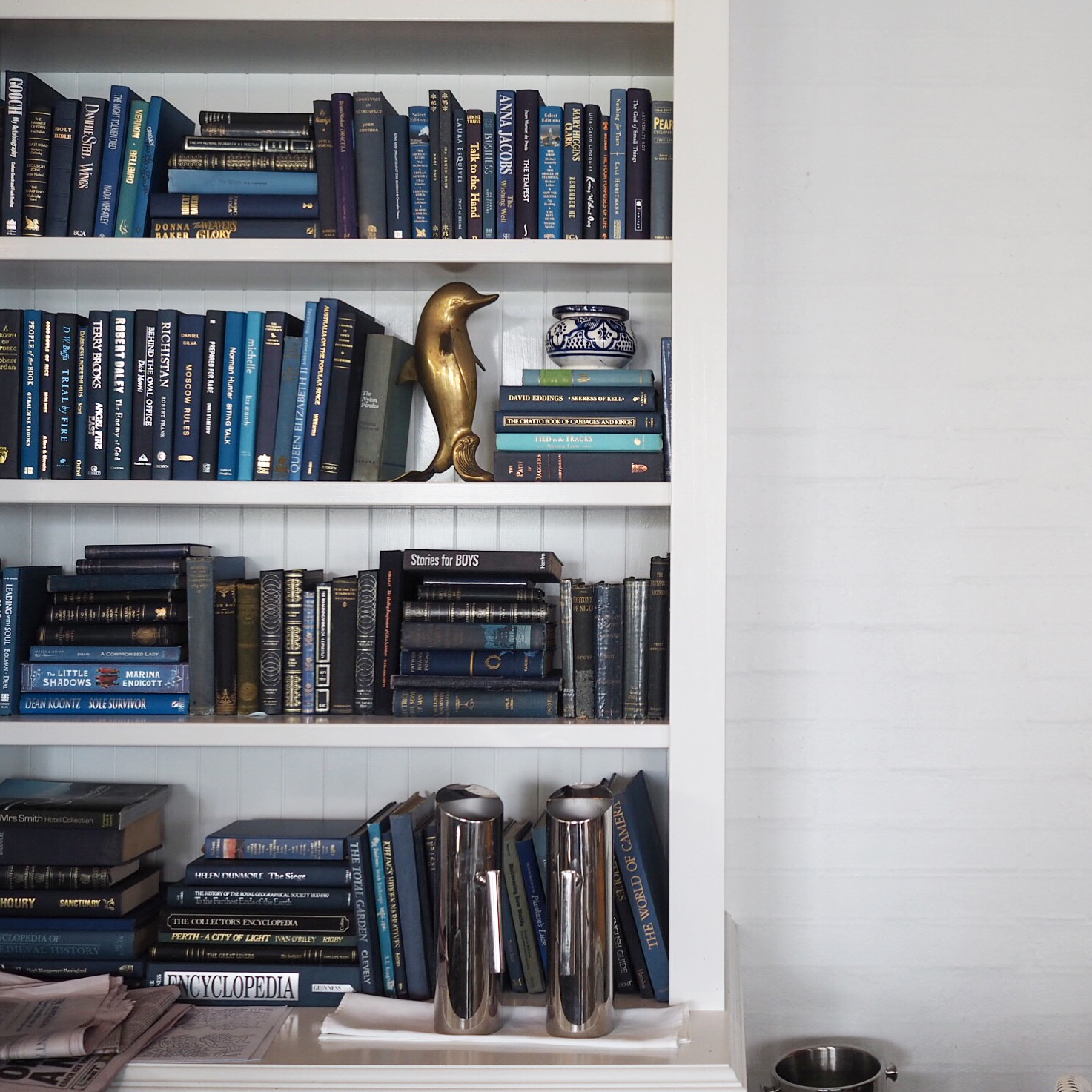
I spent an afternoon enjoying lunch at the hotel’s destination restaurant, Paper Daisy, and relaxing by the pool. The décor is decidedly blue, from the crisp staff outfits to the books on the shelves.

The chef, Ben Devlin, is one of Australia’s most talented young chefs, having previously worked at Noma and Esquire. The menu reflects the seasons, and local produce is the main focus. The dishes are creative and thoughtful, sophisticated cooking without unnecessary fuss… which perfectly suits the setting.

Highlights included raw & preserved vegetable salad with fresh ricotta, a beautiful rainbow of ingredients paired with creamy homemade cheese. The Wagyu grade 9 rump with curry leaf, sesame and sugarleaf was the winner from the main course section of the menu. Irresistibly velvety-soft meat with a caramelised crisp edge dressed with Asian herbs.

Desserts are simple with a tropical theme. I loved the Stonefruit tart with caramelised white chocolate and nectarine, a satisfying contrast of sweetness and acidity. With our meal we opted for a refreshing Australian white, ideal in the hot climate.

After lunch we dozed by the pool and dreamt of staying in one of the eclectic Halcyon House rooms. I can’t think of a more idyllic place to spend a summer holiday.

If you are lucky enough to be staying at Halcyon House there are lots of interesting and quaint towns nearby, each with exciting eateries and independent shops to explore. Here are a few of my favourites:

Byron Bay – grab a flat white and healthy, organic brunch dish at Bayleaf, or head to The Farm for a wholesome lunch.

Brunswick Heads – Fleet is a trendy restaurant run by a husband and wife, with innovative contemporary cuisine and carefully selected Australian wines. Be sure to book ahead as the small venue fills up fast.

Mullumbimby – for a delicious wood-fired pizza and lovely local atmosphere, take a short drive to Mullimbimby’s Milk & Honey. The rustic pizzas are huge so get one to share between two.

Newrybar – this tiny village’s highlights are all on one street. Harvest serves inventive and tasty breakfast, lunch and dinner and sells its produce at the deli next door. Shopaholics will love the tempting homeware and gifts at Newrybar Merchants.

Coolangatta – avoid Surfer’s Paradise and Gold Beach and instead head to Coolangatta for a quieter, more picturesque, white sand beach.

Brisbane – often forgotten in favour of Australia’s larger cities, Brisbane is a great stopover city as you head further north. Head to Esquire’s casual eatery Esq for a tapas style dinner, and chic café Morning After for great coffee and food. Lone Pines Koala Sanctuary is a wonderful place to meet Australia’s best loved animals in a friendly environment.
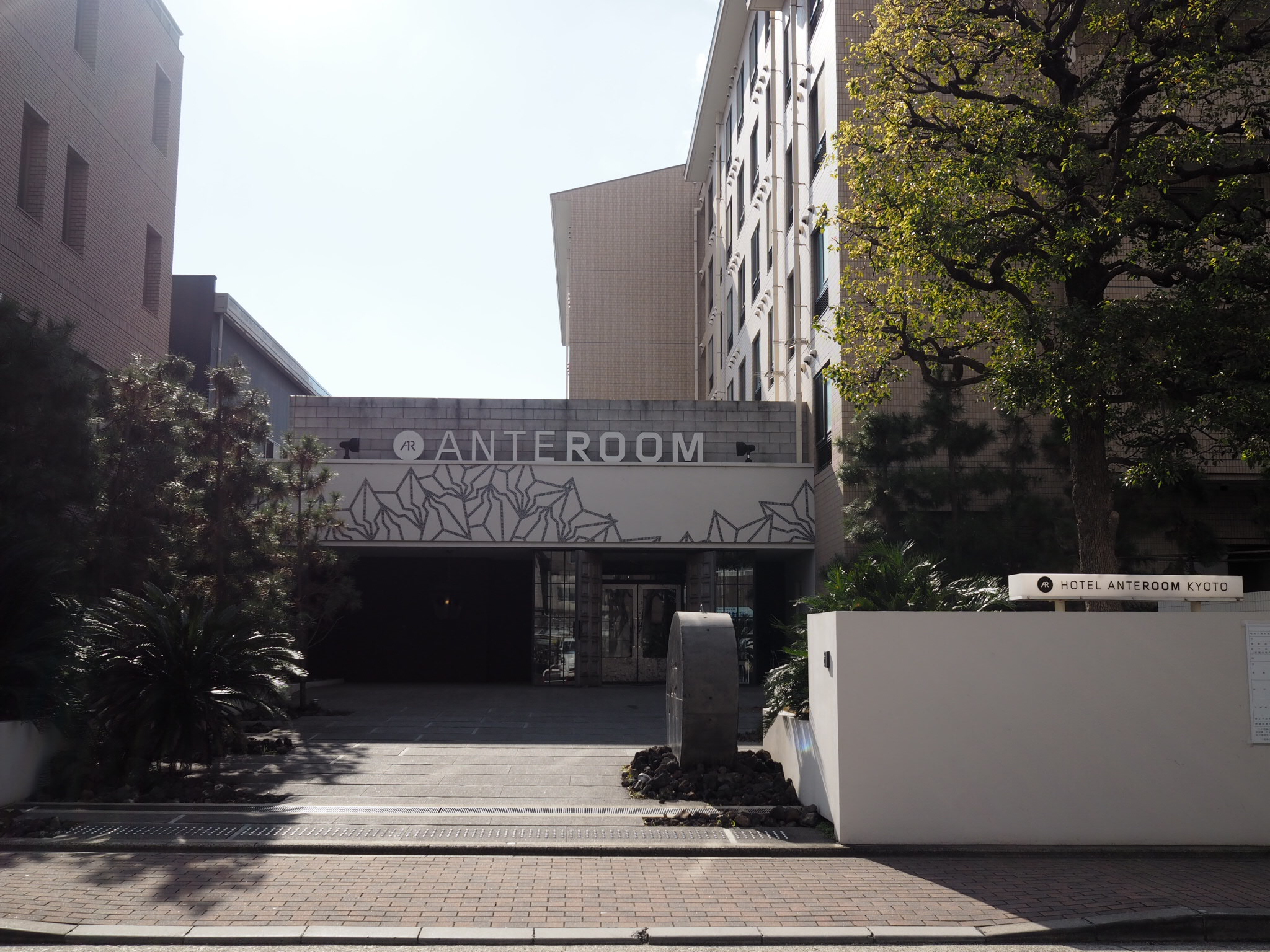
Hotel Anteroom, Kyoto

Japan is one of the most expensive destinations to travel to, even with a good exchange rate. The accommodation options in the historic city of Kyoto vary from exclusive traditional ryokans to cheap, trendy hostels. Hotel Anteroom is a brilliant option for those desiring the privacy and comfort of a hotel at low cost.

The functional building was built 28 years ago and is found just south of Kyoto’s main station. It was once used as student housing before being transformed in 2011 into the chic design-focused hotel it is today. With 61 rooms, 49 of which are single bedrooms, this hotel is perfect for solo business and leisure travellers.

anteroom kyoto

The rooms are intelligently designed to make the best use of minimal space, with bespoke furniture and artwork by local artists (all for sale) adding some colour and character. On the beds, handmade Japanese nightwear is offered for guests to wear, and in the bathrooms Provençal toiletries by Provinskia are complimentary. The beds are simply dressed but are comfortable and the surroundings feel homely.

Design, culture and art are clearly of paramount importance to the Anteroom team. On the ground floor the hotel showcases Japanese art in regular exhibitions, free for all to enjoy, whether you are staying at the hotel or not. When I stayed they were showing the work of Nobukazu Takemura, a popular Japanese musician and artist. Also on the ground floor is a casual bar for drinking and working, and a small boutique selling a few design-conscious items.

Travellers will be pleased to discover free laundry facilities on the ground floor and a wholesome £6 breakfast option with juice, coffee and pitta wraps. The hotel offer free bike hire for up to two hours, perfect for exploring the nearby sights such as the famed shrine Fushimi Inari Taisha.

Rooms at Hotel Anteroom start at just ¥6000 (£36) which is even cheaper than some hostels. Those requiring a more luxurious space can opt for one of the stylish twin terrace rooms.

The company have recently opened Bunka Hostel in Tokyo, the perfect place to stay to enjoy Japan’s vibrant capital.

More information and book a room at Hotel Anteroom here.

Sonia Delaunay, Tate Modern

Soniadelaunayportrait

Every year there are one or two shows at Tate Modern that I am desperate to see. This Spring as soon as I noticed the colourful posters for Sonia Delaunay’s exhibition appearing, I put the exhibition on my to do list and ensured I saw it as soon as my busy diary allowed.

Sonia Delaunay had a long and interesting life – a Russian-born French artist, her work is striking and unique. She spent most of her career working in Paris with her husband Robert Delaunay, who was also an artist. Together they founded the Orphism art movement characterised by its use of vibrant colours and geometric shapes.

This major retrospective comes from Paris and features an impressive collection of Delaunay’s paintings, designs and embroidery. The first room instantly reminded me of Gauguin with the rich colours and expressive figures. The vividly coloured nudes are confident and bold, they illustrate her desire to break away from academic convention and are dark and moody in style.

It was when she met her husband in 1907 that her style began to incorporate abstraction. The use of Simultanism (a theory of simultaneous colour contrasts) is evident in all media, including a patchwork cradle cover she made for her young son. Delaunay’s abstract paintings (of which there are many) initially appear to employ random colours and shapes, but on closer inspection show the influence of modern technology and machinery, less obviously than in Futurism.

In was the later rooms dedicated to Delaunay’s contribution to fashion that surprised me the most. I had no idea she had had such a prominent role in design, textiles, and indeed was such a remarkable businesswoman – an area where many talented artists fall down. I loved seeing the outfits Sonia designed for dance productions, and how she applied her fascination with abstraction to the wonderful costumes.

It is clear wandering round this colourful show that it is the abstract works and decorative patterns of Sonia Delaunay that have had the most lasting success. However it was the first room of haunting female figures that I remembered long after leaving Tate.

Sonia Delaunay continues until 9 August. If you visit I recommend also popping into the Agnes Martin exhibition, very different to Delaunay but equally moving.

Book tickets here.